
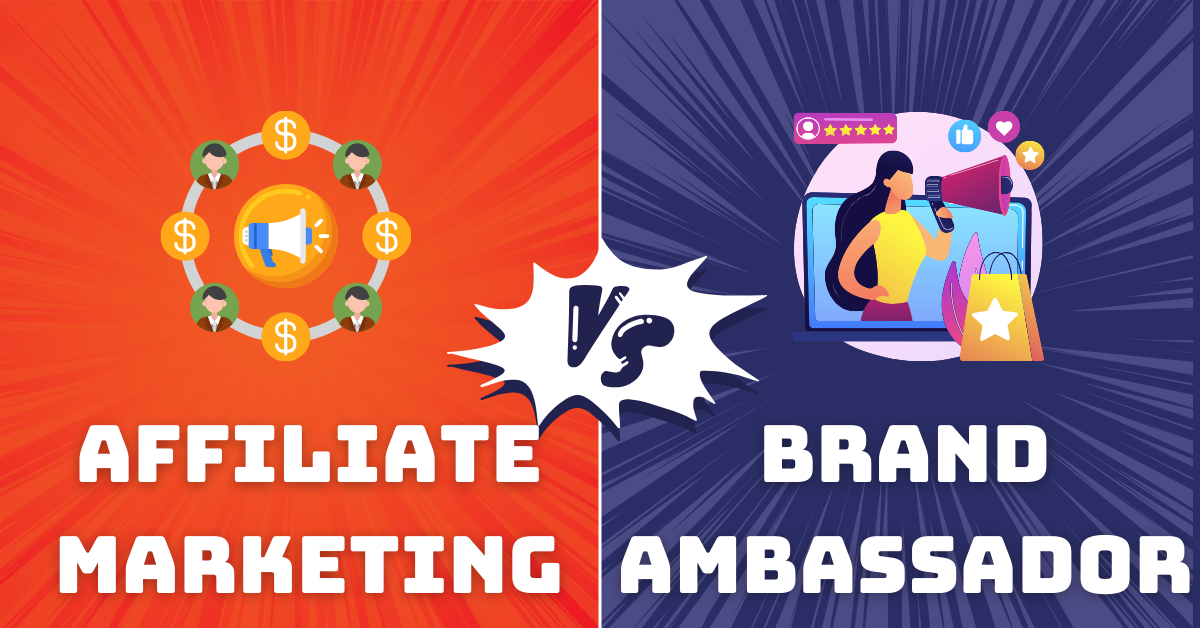
In the landscape of digital marketing, two promotion strategies reign supreme: affiliate marketing and brand ambassador programs. Both are potent tools in expanding brand reach, driving sales, and cultivating brand loyalty. However, they operate on distinct principles, each offering unique advantages and targeting different aspects of consumer engagement. Let’s delve into the intricacies of these strategies to unravel their differences, similarities, and the industries they benefit.
Affiliate Marketing: The Power of Partnerships
Affiliate marketing revolves around partnerships between brands and individuals (affiliates) who promote the brand’s products or services in exchange for a commission on sales, generated through their referrals. It’s a performance-based model where affiliates earn rewards based on their effectiveness in driving conversions.
Process and Ideal Candidates:
The process of finding affiliate candidates typically involves scouting individuals with relevant audiences, whether through social media influencers, bloggers, or content creators. Ideal candidates possess engaged audiences within the brand’s niche, a genuine affinity for the product/service, and persuasive communication skills.
Industries Benefitting:
Affiliate marketing thrives across various industries, particularly in e-commerce, software, and digital products. Its scalability and measurable ROI make it a preferred choice for businesses seeking to boost online sales and expand their customer base.
Brand Ambassadors: Champions of Authenticity
Contrary to affiliate marketing’s transactional nature, brand ambassador programs focus on building long-term relationships with individuals who embody the brand’s values and vision. Brand ambassadors act as advocates, authentically endorsing the brand across multiple channels, fostering trust and loyalty among their followers.
Process and Ideal Candidates:
Selecting brand ambassadors involves identifying individuals who align closely with the brand’s identity and resonate with its target audience. These individuals often possess a strong online presence, credibility in their niche, and a genuine passion for the brand. Authenticity and relatability are key attributes sought in ideal candidates.
Industries Benefitting:
Brand ambassador programs are particularly effective in lifestyle brands, fashion, beauty, and wellness industries, where personal recommendations and authentic storytelling carry significant weight. These industries thrive on building emotional connections with consumers, making brand ambassadors invaluable assets in shaping brand perception and fostering community engagement.
Why They’re Important:
Both affiliate marketing and brand ambassador programs play pivotal roles in modern marketing strategies:
- Expanded Reach: By leveraging the networks and influence of affiliates or brand ambassadors, brands can tap into new audiences and extend their reach organically.
- Trust and Authenticity: Authentic endorsements from trusted individuals foster credibility and build trust among consumers, leading to higher conversion rates and long-term loyalty.
- Cost-Effective Marketing: Both strategies offer cost-effective alternatives to traditional advertising, as brands pay based on performance (affiliate marketing) or invest in long-term relationships (brand ambassador programs).
- Data-Driven Insights: Both models provide valuable insights into consumer behavior and preferences, enabling brands to refine their marketing strategies and enhance customer experience continuously.
In conclusion, while affiliate marketing and brand ambassador programs operate on distinct principles, they share a common goal: to amplify brand visibility, drive conversions, and nurture lasting relationships with consumers. By understanding the nuances of each strategy and leveraging them strategically, brands can unlock untapped potential in their marketing efforts, ultimately propelling their growth and success in the digital landscape.